Kidney Disease: Types, Causes, Symptoms, and Treatment
Highlights
Learn about kidney disease, a group of conditions that affect kidney function. Explore its causes, types, symptoms, diagnosis, treatment, complications, and prevention.
Learn about kidney disease, a group of conditions that affect kidney function. Explore its causes, types, symptoms, diagnosis, treatment, complications, and prevention.
Kidney disease encompasses a range of conditions that affect kidney function, leading to a decline in the kidneys' ability to filter waste and excess fluids from the blood. Signs and symptoms of kidney disease are classified according to the type. This guide provides an overview of the types, causes, diagnosis, symptoms, treatment options available for managing kidney failure effectively and prevention. Discover how to manage this condition effectively and improve your kidney health.
Kidney disease occurs when the kidneys are unable to effectively filter the blood of toxins.
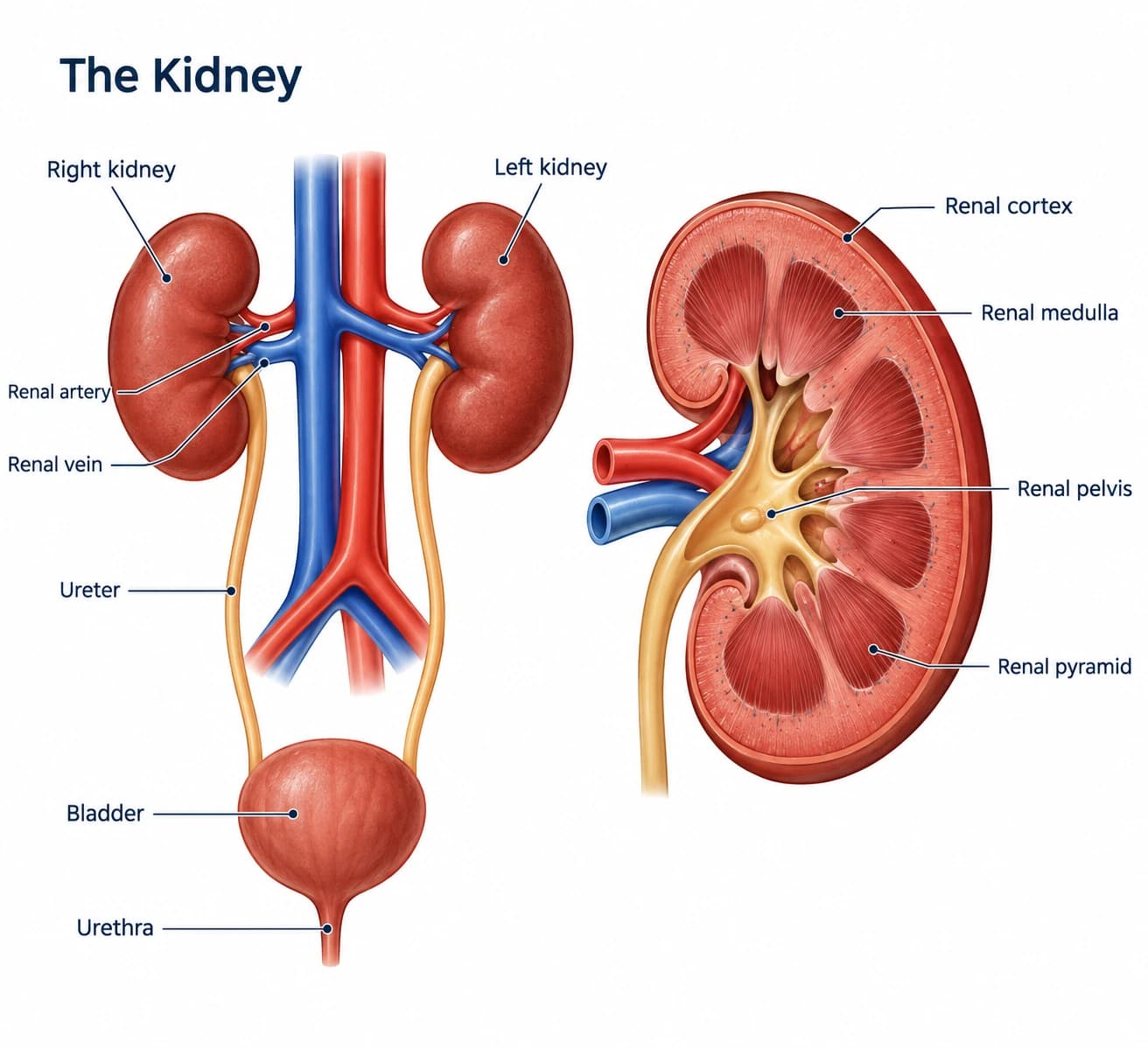
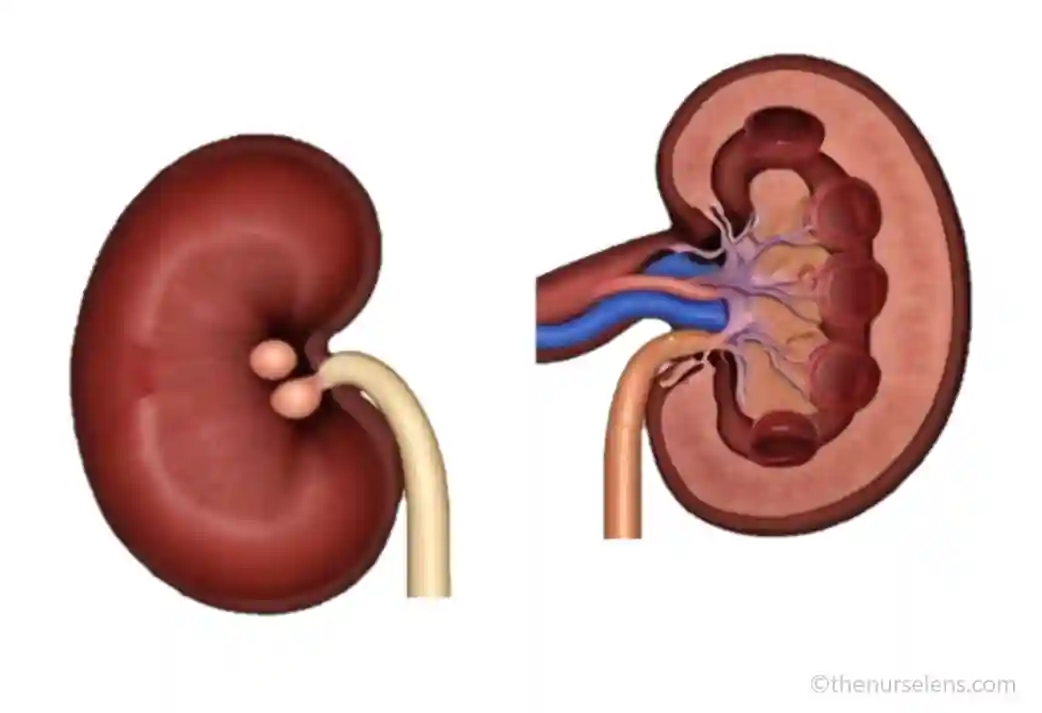
The kidneys are two bean-shaped organs located on either side of the spine, just below the ribcage. They are responsible for several vital functions in maintaining overall health, including filtering blood, regulating electrolyte and fluid balance, producing hormones that control blood pressure, and maintaining acid-base homeostasis. If the kidneys' filtering units, known as glomeruli, are impaired or obstructed, waste and fluid can accumulate in the body, leading to serious health complications. Thus, kidney disease encompasses a range of conditions that damage these essential organs, compromising their ability to function properly.
There are two main types of kidney disease: They are Acute and Chronic kidney Disease.Acute kidney injury (AKI) is a sudden and severe loss of kidney function, often caused by infections, dehydration, or exposure to harmful substances. AKI can be serious but is typically reversible with prompt medical intervention.In contrast, chronic kidney disease (CKD) is a long-term, progressive condition that often remains asymptomatic in its early stages. Over time, CKD can lead to kidney failure, at which point dialysis or a kidney transplant becomes necessary for survival.
While most individuals are born with two healthy kidneys, it is possible to live a healthy life with just one functioning kidney. Some people are born with only one kidney, while others may lose a kidney due to surgery or organ donation. However, when kidney function declines significantly in both kidneys, waste products and excess fluids build up in the body, leading to severe complications that can impact multiple organ systems.
While some people are at a greater risk of kidney disease, others do not. Several risk factors contribute to the development of kidney disease, influencing both acute and chronic conditions.
Kidney disease manifests in various forms, primarily classified as acute or chronic, with multiple underlying causes and varying degrees of severity.
Acute kidney injury (AKI) occurs suddenly and is often reversible if treated promptly. This condition arises when the kidneys experience rapid damage due to infections, severe dehydration, medications, or other factors that impair kidney function. If the underlying cause is addressed, kidney function can typically be restored.
Chronic kidney disease is a progressive condition in which the kidneys gradually lose their ability to filter waste and excess fluid from the blood. Over time, CKD leads to a buildup of toxins in the body, contributing to severe health complications such as high blood pressure, anemia, and heart disease. The leading causes of CKD include diabetes and hypertension. If left untreated, CKD can progress to end-stage renal disease (ESRD), requiring dialysis or a kidney transplant for survival. Approximately 1 in 7 adults in the United States have CKD, though many remain unaware of their condition.
Beyond AKI and CKD, several other forms of kidney disease can affect renal function:
Kidney disease can manifest through a variety of symptoms, which may vary depending on the type and stage of the disease. Symptoms at each level include
Diagnosing kidney disease involves a series of tests that assess kidney function and detect potential abnormalities.
Treatment for kidney disease depends on its underlying cause, severity, and progression. While some forms of kidney disease are treatable, chronic kidney disease (CKD) has no cure. The primary goal of treatment is to manage symptoms, slow disease progression, and prevent complications.
Certain medications help manage kidney disease and its complications. Since high blood pressure is a leading cause and consequence of kidney disease, doctors often prescribe blood pressure medications such as:
ACE Inhibitors: These help relax blood vessels and reduce pressure on the kidneys. Examples include:
Angiotensin II Receptor Blockers (ARBs): These medications help lower blood pressure and protect kidney function. Examples include:
Other medications used in kidney disease treatment include:
For patients diagnosed in the early stages of CKD, treatment focuses on slowing disease progression through:
When CKD progresses to end-stage renal disease (ESRD), the kidneys lose their ability to function effectively, requiring more intensive treatments such as dialysis or a kidney transplant.
Dialysis is a life-sustaining treatment that helps remove waste, excess fluids, and toxins from the blood when the kidneys can no longer perform this function. There are two main types of dialysis:
Patients on dialysis must follow a strict treatment regimen, including:
A kidney transplant is the preferred treatment option for patients with ESRD. This procedure involves replacing a diseased kidney with a healthy donor kidney. While a transplant can restore kidney function, recipients must take lifelong immunosuppressant medications to prevent organ rejection
Despite the risks associated with transplantation, such as infection or rejection, it offers a better quality of life and longevity compared to long-term dialysis
Below are recommended practices for the treatment of kidney disease
Observation
Nutrition
Personal hygiene
Bed rest and comfort
Kidney disease can lead to a range of serious complications that can impact overall health and quality of life
Rate this page